
The Best Treatment for Acne Scars: A Guide to Choosing the Right Method Based on Scar and Skin Type
The Best Treatment for Acne Scars
When we search for the phrase “best treatment for acne scars,” we are usually looking for a definitive and quick answer; however, the reality is that there is no single “best” option for everyone. The best method is one that precisely matches the type of scar, depth of damage, skin tone, presence or absence of active acne, and your expectations for the result. This is why, in reputable clinics, acne scar treatment is often performed in a combination-based and step-by-step manner (for example, subcision to release adhesions + a collagen-stimulating method such as microneedling or laser treatment).
In this article, we first help you identify the type of acne marks you have, then explain effective methods in simple language, including their benefits/limitations, aftercare, and who they are most suitable for, so you can make a realistic and science-based decision.
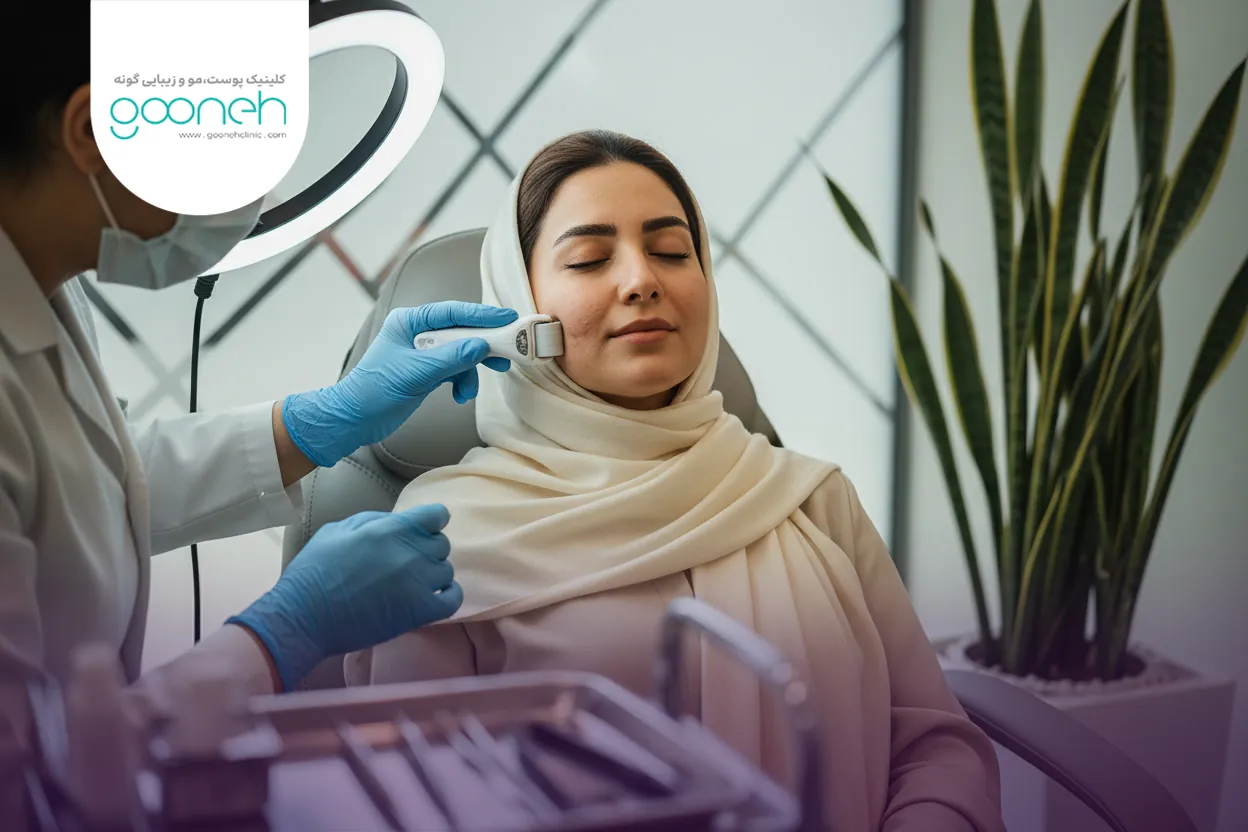
| Type of concern | Typical appearance | More effective treatment methods | Key point for better results |
|---|---|---|---|
| Red marks after acne (PIE) | Redness or pink discoloration where acne was present | Sunscreen, inflammation/acne treatment, certain lasers and IPL | Act early; sun exposure makes marks more persistent |
| Brown marks after acne (PIH) | Brown/dark discoloration in the area | Sunscreen, physician-directed brightening ingredients, superficial peels | For darker skin, excessive irritation can worsen discoloration |
| Depressed scars (Rolling/Boxcar) | Broad or wavy indentations | Subcision, microneedling, fractional RF, fractional laser | Often requires combination treatment |
| Ice-pick scars | Narrow, deep holes | Specialized spot/repair methods, sometimes fractional laser | Creams usually have limited effects |
| Raised scars (Hypertrophic/Keloid) | Excess tissue/raised bumps | Corticosteroid injections, silicone sheets, cryotherapy in selected cases | Laser and excessive stimulation may worsen them (depending on the type) |
| Uneven texture and rough skin | Uneven skin surface, visible pores | Microdermabrasion, peels, microneedling, skin rejuvenation lasers | Consistency of sessions and post-treatment care are important |
The First Step: What Exactly Is an Acne Scar and Why Does It Remain?
A scar is tissue that forms after a skin injury heals. When acne lesions are deep and inflammatory (especially cystic acne), the body produces collagen to repair them; but if this process is unbalanced:
- If less collagen than necessary is produced, a depressed scar develops.
- If excess collagen is produced, a raised scar (hypertrophic or keloid) forms.
An important point: “acne marks” are different from “acne scars.” Marks refer to color changes (red or brown), and their treatment is usually different from that of depressed scars.
Types of Acne Scars (In Simple Terms)
1) Depressed Scars
These are the most common type of acne scars and have several main forms:
- Rolling: Wavy and relatively broad indentations that are more visible under side lighting.
- Boxcar: Depressions with relatively defined edges (like a pit with walls).
- Ice-pick: Narrow, deep holes resembling needle marks.
For this group, the goal of treatment is usually releasing adhesions and stimulating collagen production.
2) Raised Scars (Excess Tissue)
If acne scars are raised, firm, and sometimes accompanied by itching or pain, they may be hypertrophic or keloid scars. Their treatment is completely different from depressed scars, and stimulating treatments (such as certain lasers) should generally be selected with caution.
3) Post-Acne Marks (Red and Brown)
Many people confuse “marks” with “scars.” If the skin surface is smooth but the color has changed, treatment mainly focuses on controlling inflammation, sun protection, and brightening/anti-redness treatments.
The Best Acne Scar Treatment Based on Scar Type
Below, we explain common and effective methods so you know exactly what each one does and who it is more suitable for.
1) Microneedling (Dermapen): A Popular Choice for Mild to Moderate Scars
During microneedling, extremely fine needles create very small, controlled punctures in the skin, prompting the body to produce new collagen for repair. Results are usually seen as improved skin texture and reduced depth of indentations.
More suitable for: Mild to moderate depressed scars, uneven skin texture, and noticeable pores.
Less suitable for: Severe active acne (which should be controlled first), active raised scars, and certain specific skin conditions diagnosed by a physician.
Important point: The quality of the device, sterility of the needle cartridge, and the practitioner’s skill are highly important; non-standard devices can cause inflammation and new damage instead of improvement.
If you would like to learn more about the mechanism and selecting suitable candidates, you can also read the article Is microneedling good for acne scars?.
2) Fractional CO2 Laser: For Deeper Scars and Uneven Texture
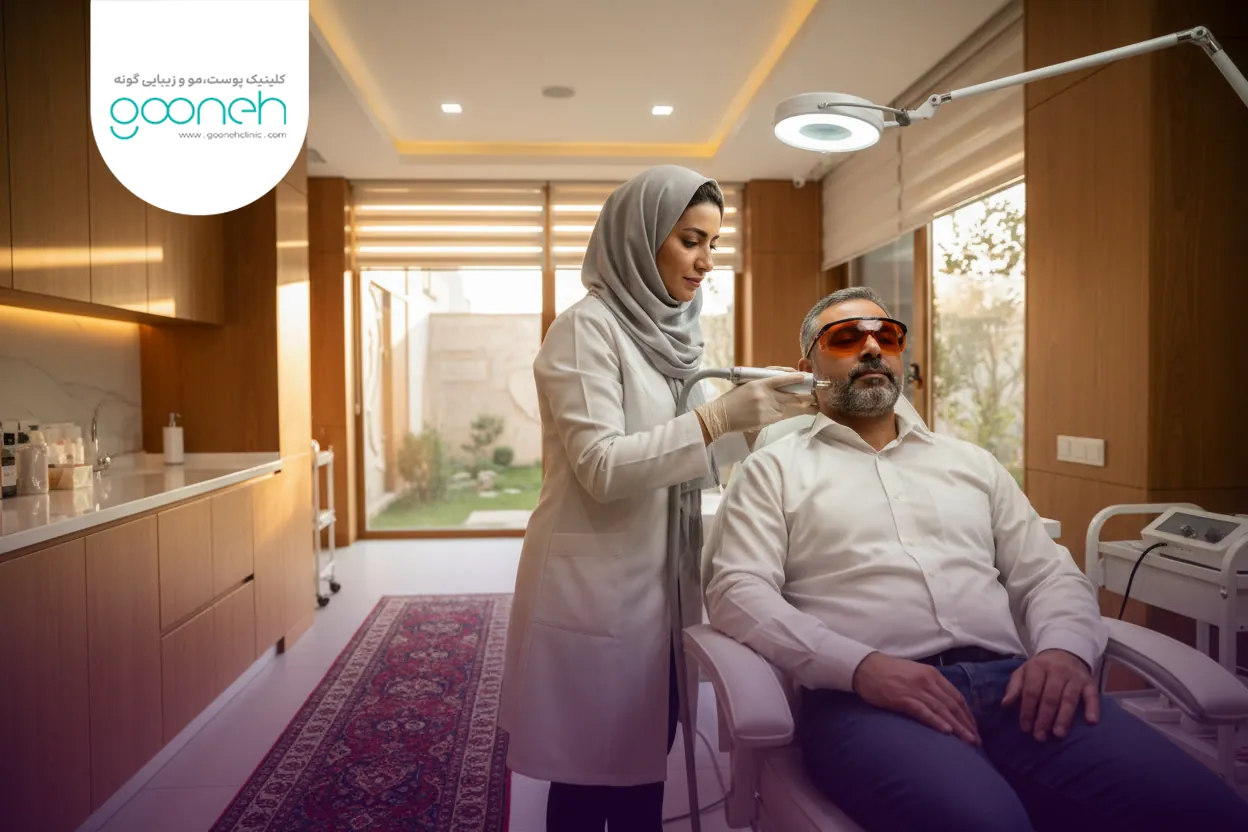
With fractional CO2 laser treatment, microscopic columns of energy are delivered into the layers of the skin, allowing both surface renewal and deep collagen stimulation. This method usually works well for moderate to deep scars as well as overall skin quality; however, it is more invasive than many other methods and usually causes several days of redness/flaking.
More suitable for: Moderate to deep depressed scars and skin with obvious unevenness.
Precautions: For darker skin tones or people prone to hyperpigmentation, settings and aftercare must be precise to reduce the risk of post-inflammatory darkening. Also, if active acne is present, it should generally be controlled first.
To learn about experiences and important considerations for this method, you can see the article Removing pitted acne scars with laser.
Suggested pillar service for this article: If you are looking for laser treatments for scars and skin renewal, the CO2 laser page can be a good starting point for learning about the treatment process and suitable candidate criteria.
3) Subcision: When the Scar Is Tethered Beneath the Skin
In some depressed scars, the main issue is not merely “a lack of collagen”; rather, fibrotic strands (like delicate cords) tether the scar to the underlying layers and cause the indentation to remain fixed. Subcision means releasing these adhesions with a needle or cannula beneath the skin.
More suitable for: Rolling scars and some boxcar scars with adhesions (sometimes the indentation becomes more visible when facial muscles move).
Possible short-term side effects: Bruising, swelling, and tenderness in the area (usually temporary).
Practical point: In many cases, the best results are seen when subcision is combined with a collagen-stimulating method (such as microneedling or laser treatment).
4) Fractional RF: An Option With Less Downtime for Some People
In fractional RF, radiofrequency energy reaches the deeper layers of the skin in a controlled manner and stimulates collagen production through targeted heat. For some people, especially those seeking shorter downtime, this can be a good option.
More suitable for: Mild to moderate scars and improving skin texture; sometimes included in combination treatment plans.
5) Filler Injections: A Fast Solution for Selected Indentations
Fillers can smooth certain depressions more quickly. Results are usually visible rapidly, but depending on the injected material, they have limited longevity and are not suitable for every scar type.
More suitable for: Distinct and limited indentations, as an adjunctive treatment or when faster improvement is needed.
Note: Patient selection and injection technique are important to prevent new unevenness or raised areas.
6) Fat Grafting: For Deeper Scars in Selected Cases
Fat grafting uses the person’s own body fat and can help with some deeper indentations. This method is more often considered for people who, in addition to scars, need some volume restoration or are seeking greater longevity compared with certain fillers.
7) Chemical Peels and Acid Therapy: Mainly for Marks and Superficial Scars
Peels are performed with controlled exfoliating solutions and, depending on the type of acid and depth of exfoliation, can help improve discoloration and smooth the skin surface. For very deep scars, they are usually not sufficient on their own.
To understand the applications of this method, you can read the article Acid therapy for acne scars.
8) Microdermabrasion: For the Skin Surface, Not Deep Scars
Microdermabrasion is a superficial mechanical exfoliation. It can help improve skin radiance and very superficial unevenness, but it is generally not the first choice for deep acne pits.
9) Raised Scar Treatment: Steroid Injections, Silicone, and Cryotherapy
If acne scars are raised and involve excess tissue, the treatment approach usually includes:
- Intralesional steroid (cortisone) injections to reduce elevation and inflammation
- Silicone sheets or gel to help soften and flatten scars (especially newer scars)
- Cryotherapy (liquid nitrogen) in selected cases
Accurate diagnosis of keloid/hypertrophic scars is very important, because certain stimulating procedures, if not properly selected, can worsen the condition.
If I Still Have Acne, Can I Start Scar Treatment?
For many people, part of scar treatment can be carried out while acne is being controlled, but not always. If you have severe active acne, the priority is usually to control inflammation and breakouts first; because each new pimple can create a new scar and reduce the effectiveness of treatment efforts.
On the other hand, some methods, such as certain lasers, may not be appropriate in the presence of active acne. The final decision should be made after an examination and diagnosis of the acne and scar types.
Steps for Choosing the Best Treatment for Acne Marks and Scars (A Practical Roadmap)
If you want to feel less confused, this step-by-step path can help:
- Accurate diagnosis: Is your concern a depressed scar, a red/brown mark, or a raised scar?
- Control active acne: If you still have inflammatory acne, it should be determined whether simultaneous treatment is appropriate or acne control should come first.
- Choose a foundational method: For tethered depressions, subcision is usually used; for texture quality, microneedling/laser; and for marks, pigment-focused treatments and sunscreen.
- Combine treatments if needed: Many people achieve the best results with combination treatment (rather than a single method).
- Set realistic expectations: The goal is usually “significant improvement,” not 100% disappearance in a short period.
- Follow precise post-treatment care: Sunscreen, repair creams, avoiding picking, and following the physician’s recommendations.
Care Before and After Acne Scar Treatment (The Key to Results and Preventing Dark Marks)
Before Starting Treatment
- If you have a history of cold sores, be sure to inform your doctor.
- If your skin develops dark marks easily or has darkened after inflammation in the past, the treatment plan should be selected more conservatively.
- Stop using strong exfoliants or homemade mixtures without medical advice; they may increase inflammation and discoloration.
After Laser/Microneedling/Peeling
- Take sunscreen seriously (even if you are mostly indoors).
- For a few days, avoid saunas, very hot showers, and intense exercise (as advised by your doctor), as they can increase redness.
- Do not pick flaking skin or scratch your skin.
- Use prescribed repair creams and moisturizers regularly.
- If severe redness, discharge, unusual pain, or cold sores develop, seek follow-up promptly.
At-Home Treatment for Acne Scars: What Really Helps?
Home treatments generally cannot “remove” deep scars, but they can be helpful in these cases:
- Preventing worsening: By avoiding picking acne and using sunscreen properly.
- Helping with marks and mild inflammation: Through a proper skincare routine.
- Supporting repair: By moisturizing and strengthening the skin barrier.
Options that can sometimes help (provided they are chosen correctly and well tolerated by the skin):
- Products containing retinoids/retinol (as advised by a doctor or used cautiously) to improve texture and mild marks
- Repairing and anti-inflammatory ingredients
- For raised scars: silicone gel/sheets (for suitable scars and with consistent use)
Important warning: Homemade masks and oils, such as honey or coconut oil, may be irritating or comedogenic (acne-causing) for some skin types. If you have oily, acne-prone skin, anything that clogs pores can worsen acne.
Common Mistakes That Ruin Treatment
- Squeezing and picking pimples (a major cause of new scars)
- Having laser treatment or strong exfoliation without controlling active acne
- Expecting immediate results and stopping treatment after one session
- Neglecting sunscreen (especially after stimulating treatments)
- Using non-professional devices/centers, which can cause new wounds or discoloration
What Does the Cost of the Best Acne Scar Treatment Depend On?
Treatment cost cannot be determined without a thorough examination, and it is better not to focus on the “cheapest method”; because in scar treatment, choosing the wrong method or receiving non-standard treatment can both increase costs and raise the risk of complications (such as discoloration or worsening texture).
In general, the cost may depend on these factors:
- Type and severity of the scar
- The selected method (laser, microneedling, subcision, combination treatment, etc.)
- Number of sessions needed
- Equipment and device technology
- Extent of the treatment area (face, back, chest, etc.)
- The doctor’s skill and experience
- Consumable materials (for example, for injections)
Realistic Expectations About Results: Is There a Permanent Cure?
For many people, significant (and sometimes dramatic) improvement is entirely possible; however, complete elimination of scars, especially old and deep scars, is not always realistic. The goal of professional treatment is to:
- Reduce the depth of indentations
- Make the skin surface smoother and its texture more refined
- Minimize marks and redness
- Restore the person’s confidence
Treatment usually requires several sessions and time for collagen production; this means the final result may become more noticeable several months later.
Frequently Asked Questions
آیا میکرونیدلینگ بهترین درمان اسکار جای جوش است؟
برای خیلی از افراد با اسکارهای خفیف تا متوسط، میکرونیدلینگ یکی از بهترین گزینههاست؛ اما در اسکارهای چسبنده ممکن است نیاز به سابسیژن باشد و در اسکارهای عمیقتر گاهی لیزر CO2 یا درمان ترکیبی نتیجه بهتری میدهد.
برای اسکارهای خیلی عمیق (چالههای واضح) بهترین درمان اسکار جای جوش چیست؟
اغلب بهترین پاسخ با درمان ترکیبی به دست میآید؛ مثلاً آزادسازی چسبندگیها (مثل سابسیژن) و سپس تحریک کلاژن (مثل لیزر فرکشنال یا میکرونیدلینگ). انتخاب دقیق به نوع اسکار (Rolling، Boxcar، Ice-pick) بستگی دارد.
اگر هنوز جوش فعال دارم، میتوانم لیزر CO2 انجام دهم؟
در بسیاری از موارد بهتر است اول جوش فعال کنترل شود، چون التهاب فعال میتواند روند ترمیم را بدتر کند و جوشهای جدید اسکار تازه ایجاد میکنند. تصمیم نهایی باید با معاینه پزشک گرفته شود.