
Acid Therapy for Acne Scars: The Best Acids, Number of Sessions, Aftercare, and Possible Side Effects
Acid Therapy for Acne Scars
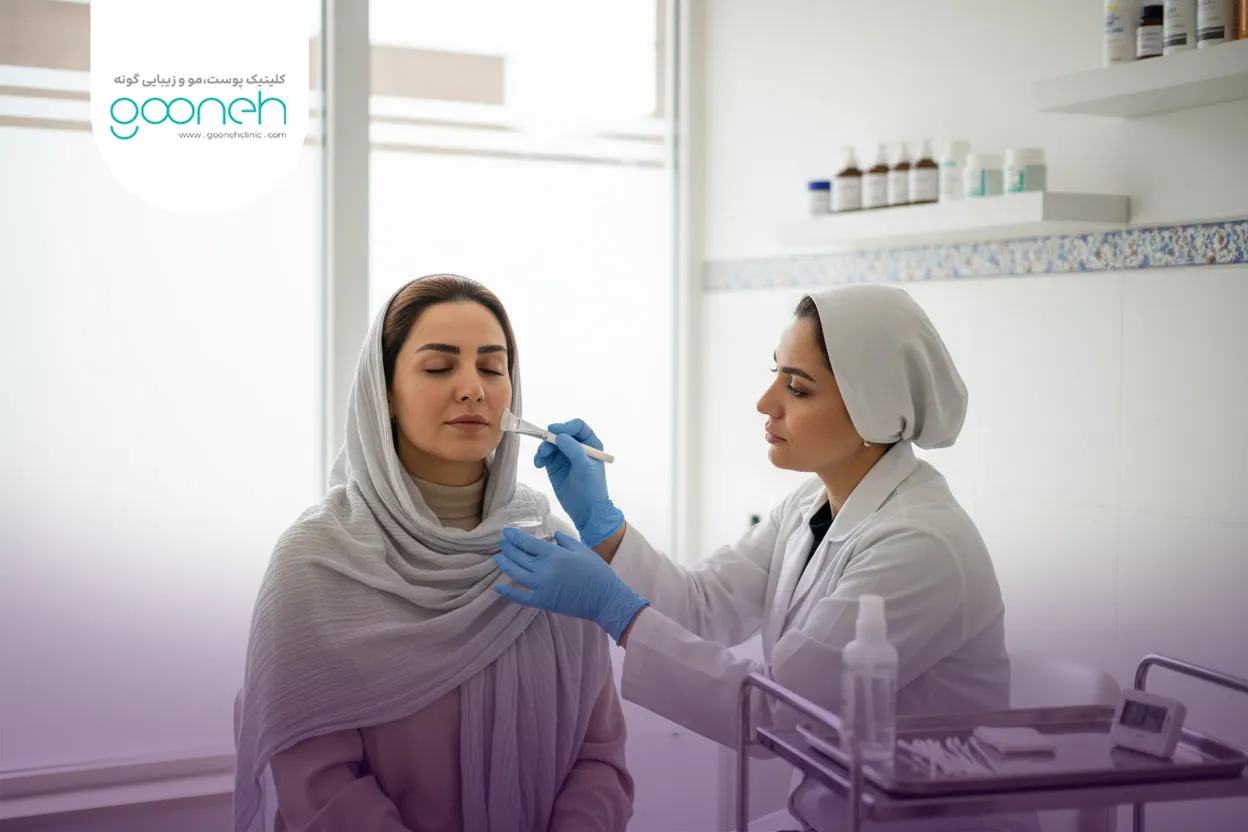
When we talk about acid therapy for acne scars, we mean “controlled chemical exfoliation” (Chemical Peeling); in other words, a doctor or trained practitioner uses standardized acidic solutions at specific concentrations to remove the surface layers of the skin in a controlled manner, allowing the skin to create new cells and stimulate some collagen (a protein that helps maintain skin firmness), resulting in a more even texture.
For many people, acne scars are not just “indentations”; they are a combination of brown or red post-acne marks, surface unevenness, enlarged pores, and sometimes several depressed scars. Acid therapy mainly affects pigmentation, dullness, surface texture, and small pimples/comedones (blackheads and whiteheads). For deep scars, it is usually used as a complementary treatment alongside methods such as microneedling or laser treatment.
| Skin concern related to acne scars | Common acid/method | Suitable for | Important safety note |
|---|---|---|---|
| Brown post-acne marks (PIH) | AHAs such as glycolic/lactic acid or combinations | Normal to dry, pigmentation-prone skin | Consistent sunscreen use and avoiding irritation are essential |
| Blackheads/subsurface pimples and congested pores | BHAs such as salicylic acid | Oily and acne-prone skin | Using retinol/other acids at the same time increases the risk of irritation |
| Persistent redness after acne (PIE) | Very gentle exfoliation + an anti-inflammatory routine | Sensitive/redness-prone skin | Strong acids may worsen redness |
| Surface unevenness and dull texture | AHAs or superficial combination peels | Most skin types with uneven texture | Session intervals and skin recovery must be observed |
| Deep depressed scars (Ice pick/Boxcar) | Medium-depth peels such as TCA (under a doctor’s supervision) + complementary methods | Selected patients | The risk of hyperpigmentation is greater in darker skin; physician selection matters |
| Raised scars/keloids | Acid therapy is usually not the first choice | Requires specialist evaluation | Irritation can worsen the scar |
If your goal is to treat acne scars but you do not know exactly what type of acne scars you have, we recommend first reading the article the best treatment for acne scars to learn more about the categories and make a more precise treatment choice.
What Exactly Does Acid Therapy Do for Acne Scars?
Acids dissolve the bonds between dead cells on the skin’s surface, causing old flakes to shed more quickly and giving the skin a chance to create a fresher, more even layer. The results many people see after several sessions include:
- Reduced post-acne marks, especially brown spots
- Smoother roughness and surface unevenness
- Fewer blackheads and subsurface pimples in oily skin (if the appropriate acid is selected)
- A clearer overall complexion and improved pore appearance
However, one important point: deep acne scar indentations usually do not become “smooth” with superficial acid therapy alone. In these cases, combining treatments, such as microneedling or resurfacing lasers, is usually more reasonable.
Who Gets Better Results From Acid Therapy for Acne Scars?
In general, people with the following characteristics benefit more from acid therapy:
- Their acne scars consist more of spots and dullness than deep indentations
- They also have small pimples, blackheads, or subsurface breakouts
- They are prepared to follow post-treatment care carefully, especially sunscreen use
- Their skin currently has no active wounds, infection, or severe inflammation
Who Should Be Very Cautious or Avoid Acid Therapy Altogether?
To reduce the risk of burns, hyperpigmentation, or worsening inflammation, the following conditions require closer evaluation and sometimes avoiding acid therapy:
- Active cold sores, open wounds, or skin infections
- Eczema, rosacea, or highly reactive skin, especially during a flare-up
- A history of raised scars/keloids (depending on the treatment type)
- Pregnancy and breastfeeding (depending on the acid type and the doctor’s decision)
- Recent use of exfoliating/sensitizing medications, such as certain retinoids, or recent invasive procedures
If your skin develops dark spots easily or is considered “hyperpigmentation-prone,” be sure to mention it during the initial consultation so the type and depth of the peel can be selected cautiously.
What Are the Best Acids for Acne Scars? (AHA, BHA, PHA, TCA)
The question of “which acid is better” is really about making the right diagnosis; the best acid for you depends on your type of acne scars, skin oiliness, sensitivity, and even your history of developing dark spots.
AHA (such as glycolic and lactic acid): For spots and dull texture
AHAs are water-soluble and work mostly on the skin’s surface. If your main concern is post-acne marks and surface unevenness, AHAs are common options. Glycolic acid generally has a stronger exfoliating effect, while lactic acid is gentler for some skin types.
BHA (such as salicylic acid): For oily skin and blackheads
BHA is oil-soluble and can penetrate pores; therefore, it is a popular choice for oily, acne-prone skin with both “active acne” and “acne scars.” This acid helps cleanse pores and reduce comedones and may decrease the likelihood of new breakouts, provided that the skincare routine is appropriate.
PHA: A gentler option for sensitive skin
PHAs are generally considered a gentler option for people with more sensitive skin or those who are quickly irritated by AHA/BHA. Expecting “quick miracles” from PHAs is not realistic, but they can help gradually improve texture and radiance.
TCA (medium-depth peel): For some scars and resistant pigmentation (under a doctor’s supervision)
TCA can penetrate more deeply than very superficial peels and is used in selected cases for resistant pigmentation or certain scars. However, because the risk of irritation and color changes, including hyperpigmentation or unnatural lightening, is higher in some skin types, it must be performed by a doctor with careful patient selection.
How Is Facial Acid Therapy for Acne Scars Performed in a Clinic?
In professional acid therapy, the most important part is not the “acid”; it is evaluation, controlling contact time, neutralization when needed, and post-treatment care. The usual process in many clinics resembles these steps:
- Consultation and skin analysis: Assessing the type of acne scars (spots, indentations, redness), skin type, history of sensitivity, and products being used.
- Skin preparation: Cleansing and sometimes controlled degreasing to ensure an even acid effect.
- Protection of sensitive areas: The eye area, corners of the nose, and lips are usually covered with a protective barrier.
- Acid application: The acid is applied evenly to the skin with the appropriate tool. Tingling or warmth is normal, but severe pain is not.
- Neutralization/deactivation: Some acids require a neutralizer, while others, such as certain salicylic formulations, deactivate on their own.
- Cleansing and recovery: Soothing and reparative products are applied at the end, followed by suitable sunscreen.
Is Acid Therapy Good for Acne Scars? What Results Should You Realistically Expect?
If your acne scars are mainly pigmentation and surface unevenness, acid therapy can be effective and make the skin appear clearer and more even. However, if you expect deep pits to fill in all at once, this generally does not happen with superficial acid therapy.
For depressed scars, methods such as removing acne scars with microneedling have a more direct effect on indentations for many people, and a smart combination of treatments sometimes delivers the best result.
How Many Acid Therapy Sessions Are Needed for Acne Scars?
The number of sessions depends on the depth and type of acne scars, the acid type and concentration, skin sensitivity, and what other treatments you are receiving at the same time. Acid therapy is usually a “process,” not a single session.
In practice, many people notice changes more clearly after several sessions; however, the precise plan should be determined after examining your skin. Session intervals are also usually chosen to give the skin time to recover, with many protocols allowing several weeks between sessions.
The Normal Recovery Process After Acid Therapy
After a session, depending on the type of peel, you may experience:
- Mild redness or a warm sensation on the same day
- Dryness, tightness, and peeling over the next few days
- A more even-looking complexion after peeling subsides
Picking at peeling skin is one of the main causes of pigmentation and inflammation after acid therapy; therefore, you should allow the flakes to shed on their own.
Before and Aftercare for Acid Therapy for Acne Scars (Very Important)
A large part of both the result and safety depends on your aftercare. If this step is not taken seriously, even a gentle peel can cause irritation, pigmentation, or prolonged redness.
What Should You Do Before Acid Therapy?
- Manage irritating products: If you use retinol, other exfoliants, scrubs, or strong vitamin C, coordinate with your doctor about when to stop or reduce them.
- Avoid sun exposure: Tanning or sunburn increases the risk of pigmentation after a peel.
- Report your history: Be sure to mention if you have a history of cold sores or if your skin quickly develops dark spots after irritation.
- Sensitivity testing, if appropriate: Especially if you have extremely sensitive skin or a history of reactions.
What Should You Do After Acid Therapy?
Take this checklist seriously for at least the first few days:
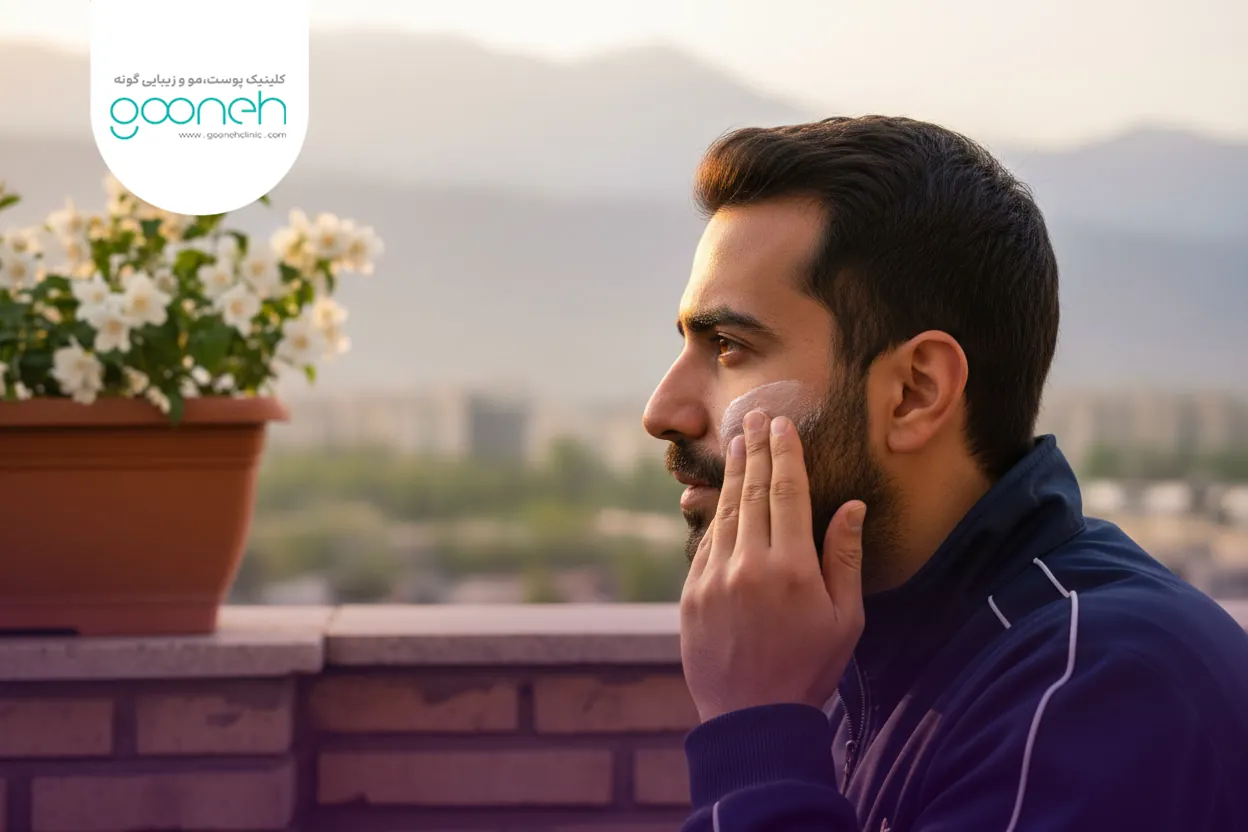
- Use sunscreen regularly: Preferably a sunscreen suitable for sensitive/recovering skin, reapplied as needed throughout the day. Sunlight can worsen pigmentation.
- Use moisturizer and skin-repair products: To reduce dryness and tightness and support the skin barrier.
- Do not pick or touch: Do not peel off flakes or squeeze pimples.
- Avoid heat and heavy sweating: Avoid intense exercise, saunas, hot steam, and very hot showers for a few days.
- Do not use strong active ingredients: Avoid exfoliants, retinoids, scrubs, and certain strong serums until the time specified by your doctor.
- Cleanse gently: Use a mild, fragrance-free, alcohol-free cleanser, wash gently, and use lukewarm water.
What Should I Do If I Break Out or My Skin Darkens After Acid Therapy?
Sometimes, especially in acne-prone skin, small pimples or emerging comedones may appear during the first few days, which can be part of the cleansing process. However, if the breakouts become severe, painful, or pus-filled, or if unusual darkening occurs, you should be assessed promptly so appropriate anti-inflammatory/reparative treatment can be started.
Possible Side Effects of Acid Therapy for Acne Scars and How to Reduce the Risk
When properly selected and performed, acid therapy is usually manageable. However, if the wrong acid, an unsuitable concentration, or incorrect contact time is used, or if aftercare is not followed, side effects can become more serious.
Common and Usually Temporary Side Effects
- Mild redness and sensitivity
- Dryness and peeling
- A burning or warm sensation during the first few hours
More Serious Side Effects (Less Common but Significant)
- Skin color changes, including hyperpigmentation or unnatural lightening, especially in pigmentation-prone skin
- Severe inflammation or blisters, which indicate excessive irritation
- Skin infection, especially if the skin is picked at or wounds develop
- Worsening redness/rosacea in susceptible individuals
How Can We Reduce the Risk of Side Effects?
- Have acid therapy performed in a reputable treatment setting with a thorough evaluation.
- Avoid “strong at-home acid therapy” or combining several acidic products on your own.
- Take sunscreen seriously after treatment; this is vital for preventing pigmentation.
- Until peeling is complete, avoid scrubs, exfoliating cloths, irritating masks, and picking at flakes.
At-Home Acid Therapy for Acne Scars: Should You Do It or Not?
At-home acid-containing products, such as AHA/BHA toners and serums, usually have lower concentrations and, when selected correctly, can help with dull skin, mild pigmentation, and small breakouts. However, there are several red flags:
- Combining several acids or using them at the same time as retinol/scrubs increases the risk of skin-barrier damage and pigmentation.
- For deep depressed scars, at-home treatment usually has no significant effect.
- If your skin is sensitive or you have a history of pigmentation, starting treatment on your own can worsen the outcome.
If you are considering at-home treatments, the article removing acne scars at home as quickly as possible can help you gain a more realistic understanding of the limitations and safe measures.
Acid Therapy or Laser/Microneedling for Acne Scars: Which Is Better?
The “better” choice depends on your type of acne scars:
- If the main concern is pigmentation and dullness: superficial acid therapy can be a suitable option.
- If the main concern is indentations and pits: microneedling, resurfacing lasers, or combination treatments usually have a greater effect.
- If you have active acne at the same time: acne control should first be prioritized, followed by scar treatment planning.
For depressed scars or significantly uneven texture, stronger resurfacing methods such as CO2 laser, as advised by a doctor, may be a complementary or alternative option. However, selecting this method requires careful evaluation of skin type, pigmentation history, and recovery time.
What Factors Affect the Cost of Acid Therapy for Acne Scars?
There is no fixed price for the cost of acid therapy for acne scars, as pricing depends on numerous factors, including:
- The type of acid and peel depth, from superficial to medium-depth
- The brand and quality of materials used
- The severity and extent of the treatment area, whether full face or localized
- The need for additional sessions or combination treatment
- The experience of the doctor/practitioner and safety protocols
- Equipment and post-treatment repair products
- The clinic’s geographic location
If you would like to know more precisely which plan is suitable for your type of acne scars, you can use the contact us page to arrange a consultation and appointment.
Frequently Asked Questions
اسید تراپی برای جای جوش نی نی سایت میگوید خوب است؛ واقعاً برای همه جواب میدهد؟
تجربه افراد متفاوت است چون نوع جای جوش، تیپ پوستی، عمق اسکار و مراقبتهای بعد از درمان فرق میکند. اسید تراپی معمولاً برای لک و ناهمواری سطحی بهتر جواب میدهد و برای چالههای عمیق، اغلب درمان مکمل است.
اسید تراپی برای جای جوش خوبه اگر هنوز جوش فعال داشته باشم؟
اگر جوشها فعال و ملتهب باشند، ابتدا باید کنترل آکنه در اولویت باشد. بعضی پیلینگهای مناسب پوست چرب (مثل سالیسیلیک) ممکن است در برنامه درمانی آکنه هم جایی داشته باشند، اما تصمیم نهایی باید با ارزیابی پوست انجام شود تا التهاب بدتر نشود.
بعد از اسید تراپی صورت برای جای جوش چند روز پوسته ریزی طبیعی است؟
بسته به نوع اسید و عمق لایه برداری، پوسته ریزی میتواند از چند روز تا حدود یک هفته یا کمی بیشتر طول بکشد. مهم این است که پوستهها را نکنید و پوست را خوب مرطوب و در برابر آفتاب محافظت کنید.